
Describe what the machine actually does
“Not working” can mean no power, no fill, failure to heat, water left in the drum, excessive movement, a door that will not release or an error code.
APPLIANCE FAULTS · DRAINAGE & CONNECTIONS
A useful repair starts with the symptoms, model and installation—not a guessed part. We assess accessible causes and explain when appliance, plumbing or electrical specialist work is the correct route.
WHAT WE CAN HELP WITH
The scope is reviewed around the property, existing condition and the result you need.
“Not working” can mean no power, no fill, failure to heat, water left in the drum, excessive movement, a door that will not release or an error code.
Kinked hoses, closed valves, blocked accessible filters, poor waste arrangements or an unstable floor can cause symptoms that appear internal.
The model and serial details are essential because components vary even within one product range.
WASHING MACHINE REPAIR LONDON
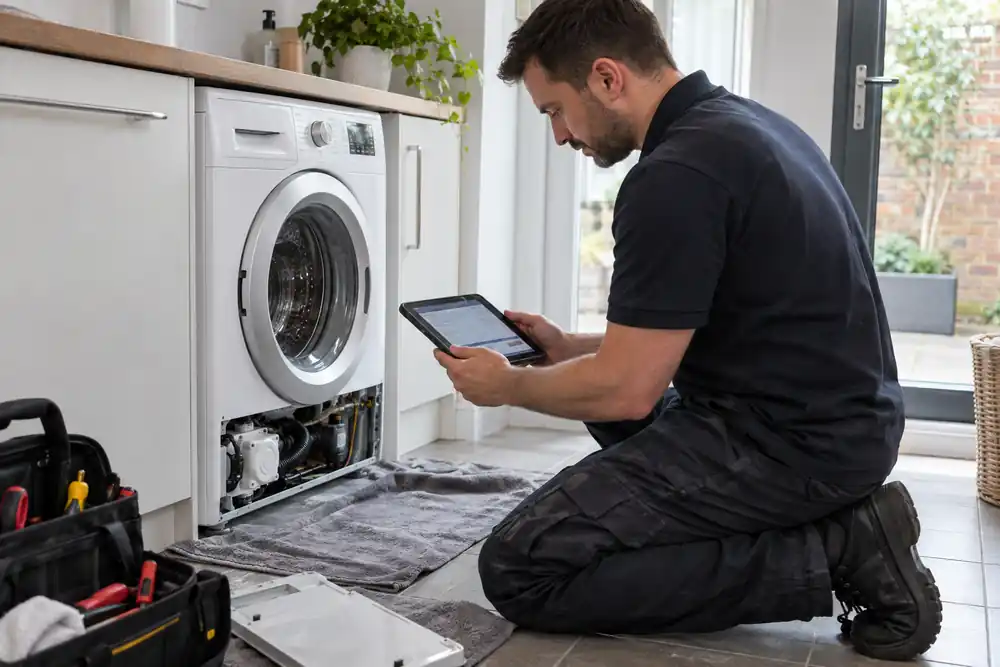
“Not working” can mean no power, no fill, failure to heat, water left in the drum, excessive movement, a door that will not release or an error code. Record the exact stage of the cycle, sounds, leaks and displayed code. Photograph the rating plate and installation. Do not repeatedly run a leaking, burning-smelling or electrically suspect machine. Isolate power and water where it is safe, and seek the appropriate urgent professional help if there is a hazard.
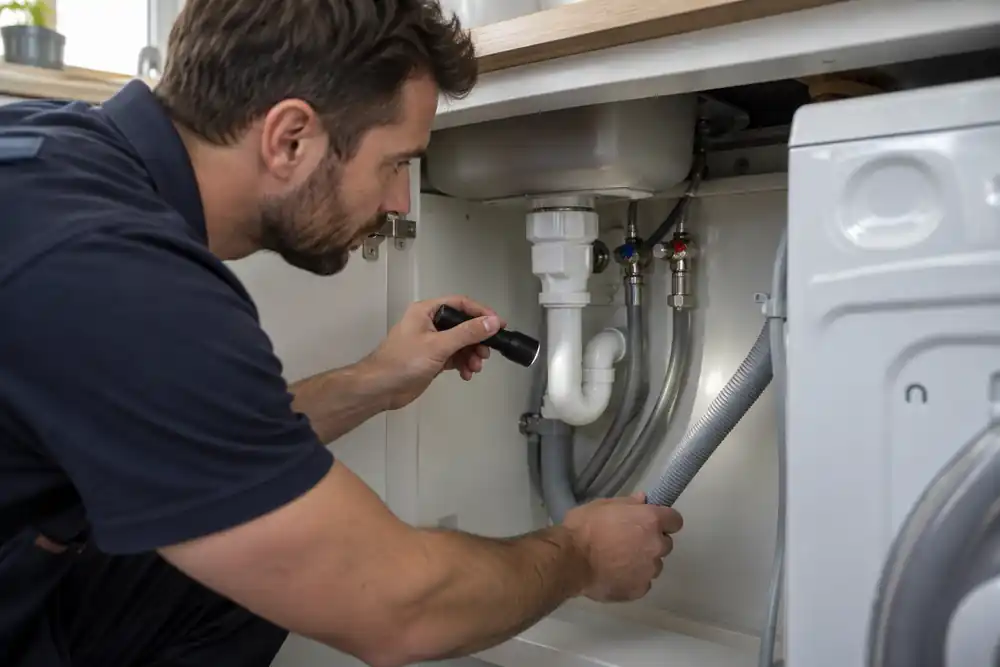
Kinked hoses, closed valves, blocked accessible filters, poor waste arrangements or an unstable floor can cause symptoms that appear internal. A recently installed or moved appliance may have transit bolts, levelling or connection issues. Checks must follow the manufacturer's instructions and should never involve unsafe dismantling. If the fault lies in fixed plumbing or the electrical supply, it belongs with the relevant trade rather than being concealed as an appliance repair.
The model and serial details are essential because components vary even within one product range. Access may require removing a fitted plinth or moving the appliance without damaging flooring and cabinetry. A diagnosis should come before ordering parts. Age, part availability, overall condition and the likely repair scope help the customer decide whether work is proportionate. No responsible page should promise that every appliance can be repaired economically or on the first visit.
CAREFUL PROPERTY WORK
Following an agreed repair or connection correction, the machine should be reinstated level, hoses positioned without strain and accessible joints checked during an appropriate test. The drum, drain and controls are observed for the original symptom. Flooring and adjacent cabinetry are checked for leaks. Product-specific calibration or safety procedures must follow the manufacturer. For a new machine rather than a faulty one, the appliance-installation service is the clearer route, provided the connections are suitable and accessible.
Water at the front of the machine might originate from the door seal, detergent drawer, filter housing, internal hose or a connection behind the appliance. Note which cycle and stage produces it and avoid running repeated tests that worsen floor damage. Photographs of the water path and surrounding cabinetry help, but electrical safety comes first.
Follow detergent and loading guidance, keep accessible filters maintained and watch the first full cycles after work. Do not push the appliance back so tightly that hoses kink or the plug becomes inaccessible. New noise, movement or moisture should be reported with the job details rather than ignored until a larger failure occurs.
A CLEAR PROCESS
Send the London postcode, photographs, measurements and the result you want.
The requirements, access, materials and appropriate trade are reviewed before work begins.
The planned work is carried out carefully, with any material change explained clearly.
WASHING MACHINE REPAIR FAQ
Useful answers for planning the work.
Send the brand, full model and serial or product number from the rating plate, plus photographs of the machine, connections and any displayed error code.
Possible causes range from an accessible filter or hose issue to pump, control or drainage faults. Stop and assess the symptoms rather than repeatedly restarting the programme.
Stop using and unplug it only if safe. Electrical tripping needs appropriate professional diagnosis; do not reset repeatedly or dismantle the appliance.
Not always, and parts should not be guessed from a symptom. Diagnosis, exact model identification and availability come first.
Use the appliance-installation service for a new replacement. Existing valves, waste and electrical supply still need to be suitable and accessible.
YOUR NEXT STEP
Send the full model details, fault code and a precise description of the failed cycle.