HAM · SEPARATE THE FAULTS BEFORE GROUPING THE WORK

Handyman Repairs for Ham Homes

Several small defects in one home do not necessarily have one cause or one repair method. Bob’s can review Ham cupboard, furniture and ordinary joinery jobs as a practical group while keeping each task clear. A visit should resolve defined problems, not apply the same adjustment to every item that looks similar.

  • Each fault described by its own behaviour
  • Similar-looking fittings not assumed identical
  • Useful repairs grouped without a room-wide replacement
  • Changes to the agreed task explained before proceeding
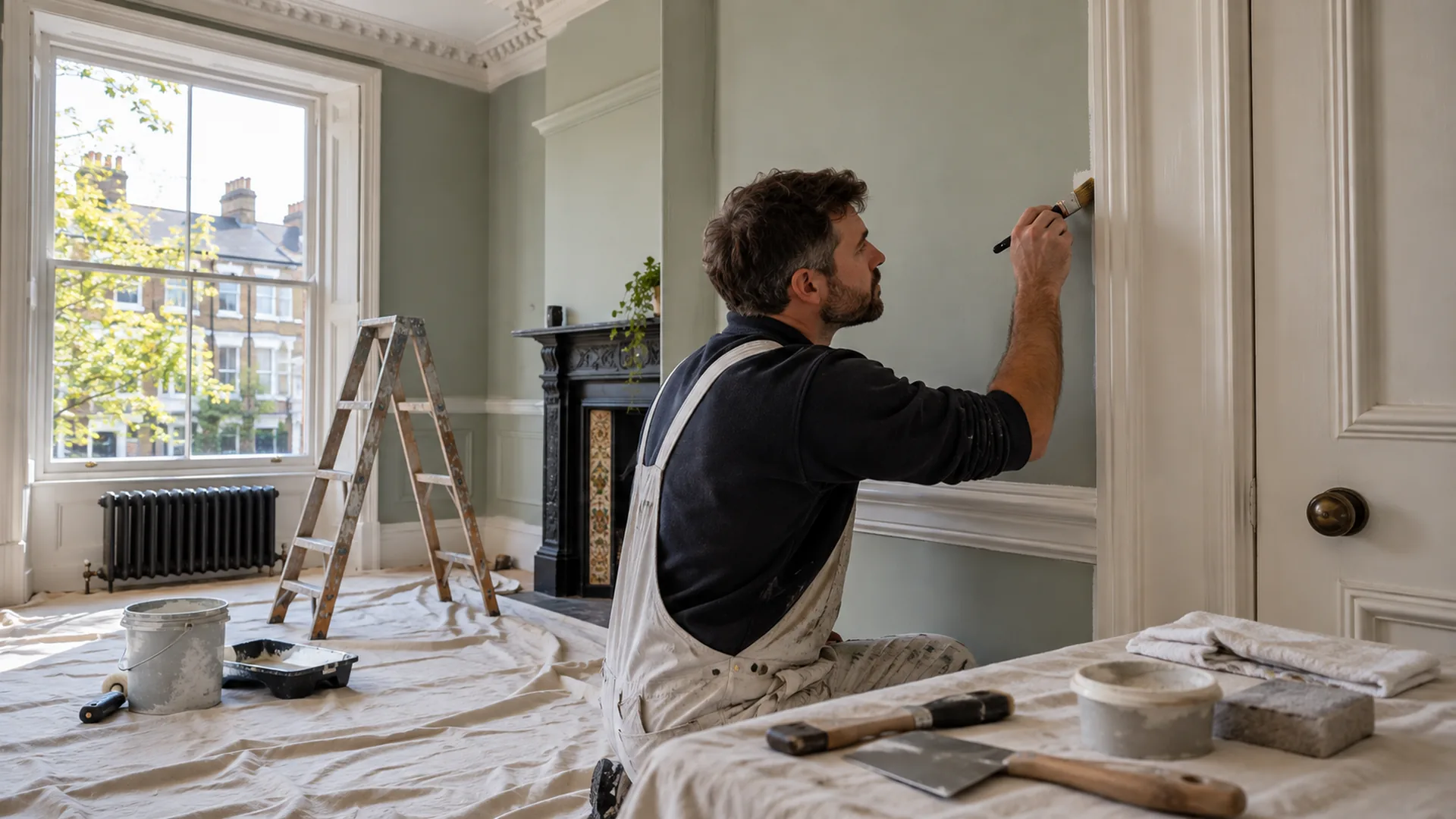
Professional preparing an interior surface for decoration

A varied housing area calls for item-specific maintenance

The Ham and Petersham Neighbourhood Plan describes inter-war and early post-war semi-detached and terraced housing within its character areas. It also records the area’s wider mix of development. For a household repair enquiry, the practical consequence is that fittings may come from several generations of maintenance, even within the same home.

A kitchen cupboard, a bathroom cabinet and a freestanding unit can have very different construction. Similar handles do not make their hinges, panels or attachments interchangeable. Describe the fault at each item and distinguish supplied furniture from alterations to the building. Bob’s can review what belongs in an ordinary handyman scope without treating a group of defects as evidence that the whole room must be replaced.

The useful local detail is the actual property arrangement: a house with access to each room directly, a flat with shared routes, or an interior that has been adapted. Include the arrangements that affect the work, but avoid assuming the housing period explains the defect. A later fitting in an older house needs assessment as the fitting it is.

Discuss your property requirementsCall 020 3137 9380
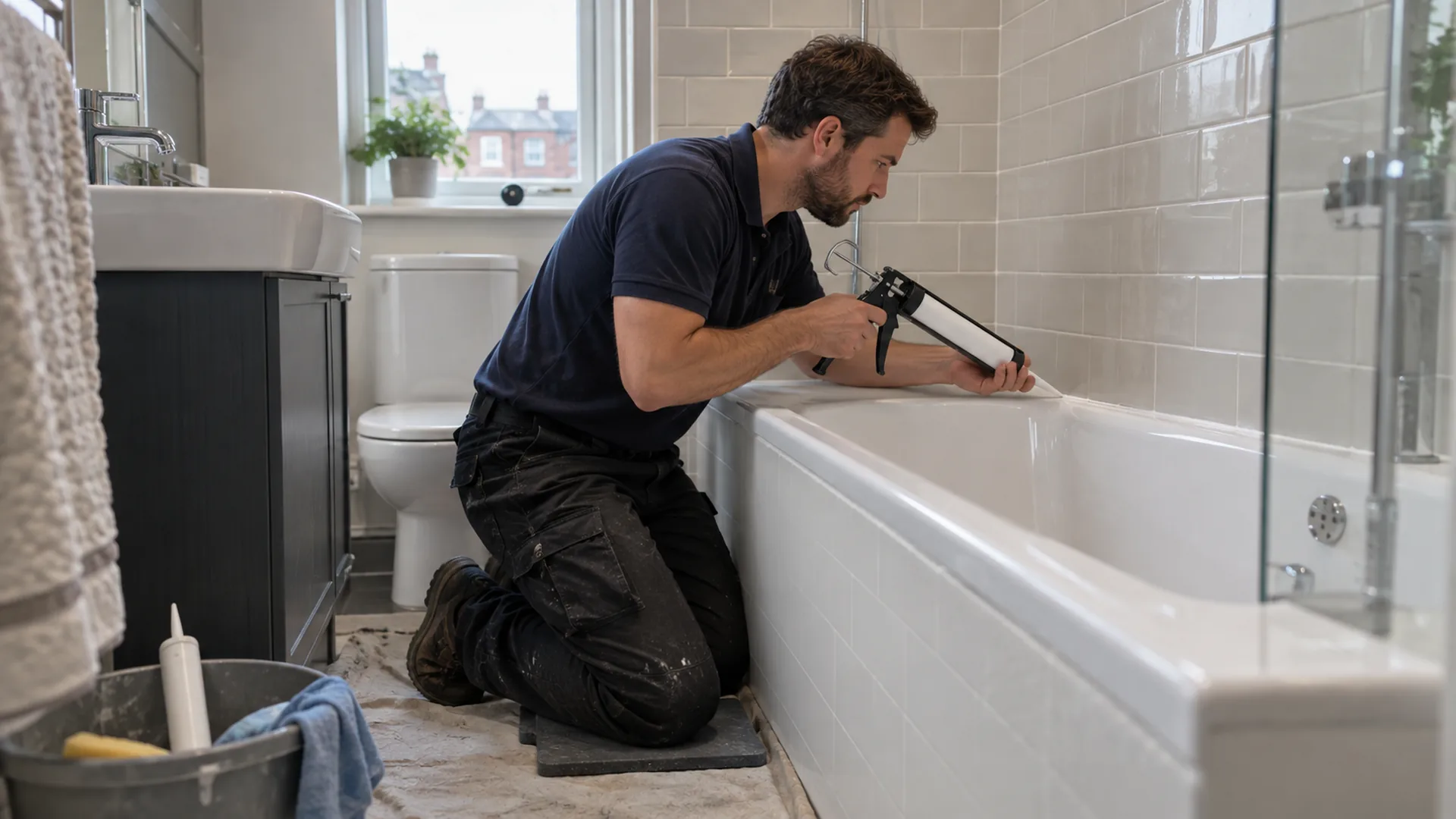
Professional attending to bathroom sealant

A previous attempt is useful information, not an instruction to repeat it

Tell Bob’s if a fitting has already been tightened, packed or replaced. Explain what improved and what returned. That account can be more useful than a suggested diagnosis, because it shows whether the original inconvenience was actually resolved. Do not dismantle the item again solely to reconstruct the earlier work.

Keep observations separate from conclusions. A cabinet door that catches only when loaded is not necessarily suffering the same fault as another that rubs when empty. A handle that loosens repeatedly may need a different response from one damaged by a single impact. The work should be reviewed against those differences rather than described as a general tightening exercise.

If the proposed repair changes during assessment, revisit that item without losing the rest of the list. Some independent jobs may remain suitable; others may depend on the unresolved fault. The aim is an intelligible outcome for the household: the work completed, the limitation identified and the next decision needed. That is more valuable than making every item appear temporarily tidy.

Create a list that keeps separate faults separate

Choose the relevant rooms and concerns. The planner suggests service categories and preparation, but it cannot diagnose why two fittings behave differently. Its output stays on the page without collecting personal information; add the individual observations to the quotation enquiry.

1Property type
2Area of property
3What needs attention
4Urgency

Ham questions about recurring and separate household faults

Should two similar cupboards receive the same replacement parts?

Not without checking their actual construction and fittings. Similar appearance can hide different fixing positions or mechanisms. Identify each failed item separately so a multiple purchase does not repeat an unsuitable choice.

What should I explain about a repair that did not last?

Describe the earlier work if known, what improved and when the fault returned. Keep that account factual. It helps the review without requiring you to decide the cause or dismantle the fitting for evidence.

Is a drawer that catches when full simply overloaded?

That is one possible concern, not a diagnosis to assume. The unit, fitting and contents need appropriate consideration. Avoid continuing to load an unstable or damaged item while waiting for a repair decision.

Can bathroom accessories be included with carpentry jobs?

They can be listed for review, with the surface and fitting identified. Keep leaks, electrical work and failed waterproofing separate. A combined enquiry does not mean every bathroom concern is ordinary handyman work.

Will tightening all visible screws prevent future problems?

It is not a sensible universal instruction. Different components have different requirements, and inappropriate tightening can cause damage. Describe the faulty operation so the relevant work can be assessed rather than requesting a blanket intervention.

What if one recurring fault needs another trade?

Keep it on the list with the appropriate next route and identify which other tasks are independent. Bob’s can review the remaining ordinary work without treating another trade’s issue as resolved by a cosmetic adjustment.

Describe what happened, then decide what to do

01

Observe

Record the normal action associated with the fault without forcing damaged parts. Note a condition that changes the behaviour, such as a loaded drawer or an adjacent door being open.

02

Recall

Mention earlier work and how long any improvement lasted. A repeated fault should not automatically receive the same treatment merely because that treatment is familiar.

03

Review

Let each item have its own repair decision. Shared room location or similar hardware does not prove the same component or method is appropriate.

04

Distinguish

Keep completed work separate from items requiring another assessment. A clear remaining list prevents a temporary improvement being mistaken for a durable resolution.

Handyman areas near Ham

These nearby areas have their own property-care guides.

Tell Bob’s how each fitting behaves

For your Ham enquiry, describe the actual faults, any earlier repairs and the results you want. Keeping those details separate allows a useful group of work to be reviewed without assuming one explanation fits the whole home.

Call 020 3137 9380Get a quote