KEEP EVERYDAY FURNITURE USEFUL · EAST WICKHAM

Handyman Repairs in East Wickham

The dining table often does more than serve meals: homework, paperwork and family activities all leave their mark. Bob’s can review loose fittings and modest furniture repairs in East Wickham, with a clear distinction between an adjustment and a piece that needs specialist restoration or replacement.

  • Table movement described without improvised load tests
  • Detached hardware kept with the correct item
  • Extension leaves checked against their original mechanism
  • Appearance and structural repair treated separately
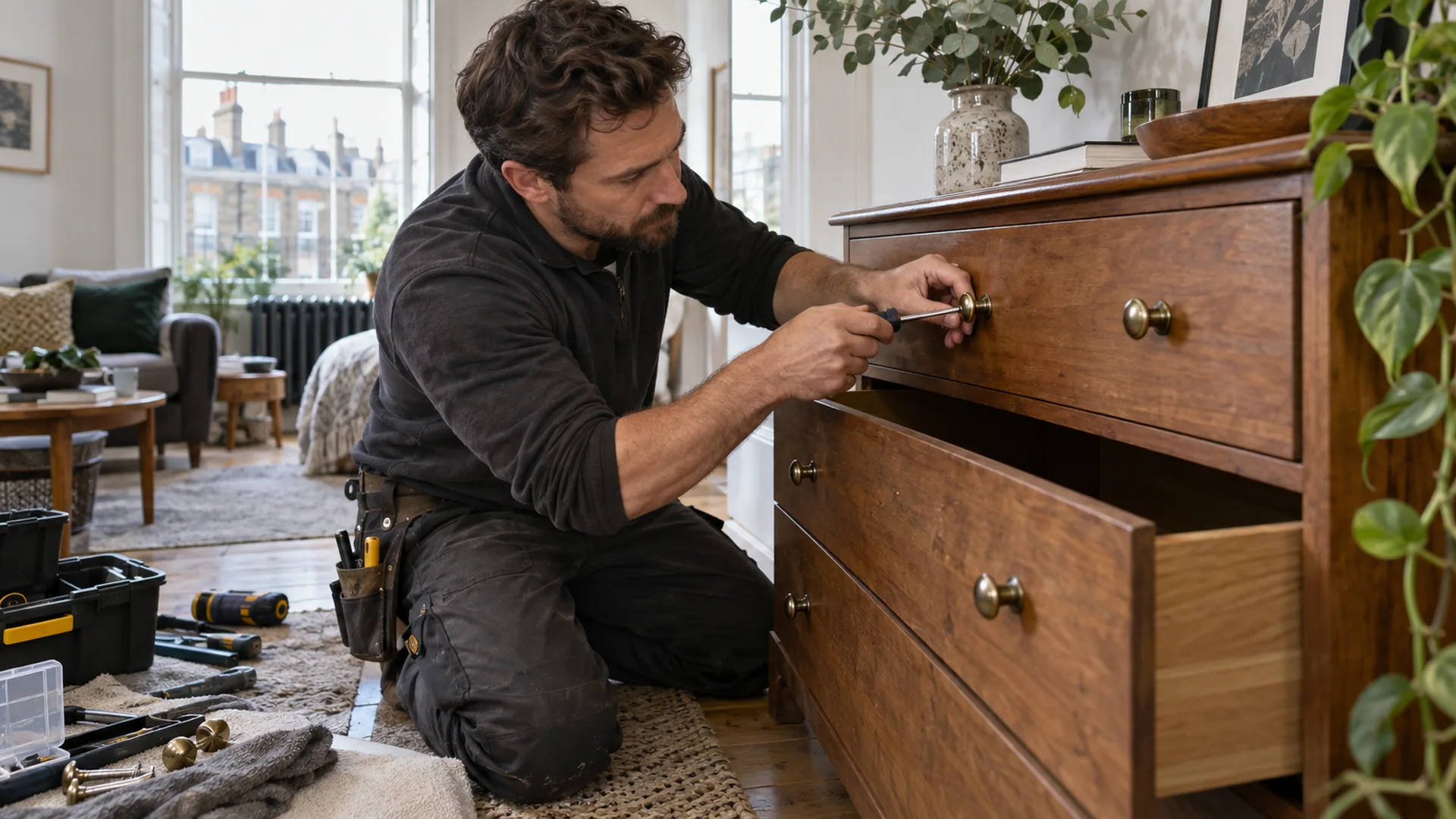
Professional adjusting a fitting on a wooden furniture unit
LOCALEast Wickham property care
15+Years of experience
M25London coverage
ONEAccountable team

EAST WICKHAM HOUSEHOLD FURNITURE

A shared table needs to work in both configurations

Bexley’s housing assessment records semi-detached houses as the largest dwelling group in East Wickham ward. In a home with a separate dining area or a kitchen-dining extension, an occasional larger table arrangement can change how the room works. Check the everyday position and the extended position before requesting repairs around it. The extra leaf is only useful if chairs can still be drawn back and doors used normally.

The furniture can be one part of a wider room list: an ordinary internal door that catches, loose trim behind a sideboard and holes left by a removed wall fitting. Give each task separately so suitable assembly, carpentry and making good can be considered together. In an extended room, show where older finishes meet the newer part rather than assuming matching paint or timber throughout. The aim is to leave the dining space usable, not spend the whole appointment on one joint while other agreed repairs remain unclear.

Explain the fault in terms of the actual action. A tabletop that moves relative to its frame differs from a table that rocks as one piece. A sticking extension mechanism differs from a leaf that no longer sits flush. Keep fingers away from pinch points and do not force an unfamiliar mechanism to demonstrate the problem. A description and accessible product details can be enough to begin the enquiry.

For chairs, identify the loose component without continuing to sit on an unstable item. Bent metal, cracked timber, failed glued joints and a missing assembly bolt present different repair questions. A decorative touch-up cannot restore a damaged load-bearing part. Antique, upholstered or valuable pieces may need a furniture-restoration specialist rather than a general household adjustment.

The room itself can contribute to the problem. A replaced floor covering may alter how furniture sits; a wall-mounted object may be in the path of the expanded table. Include those relationships in the list, but keep the furniture repair separate from a wish to redesign the whole space. That keeps the initial decision manageable.

Discuss your property requirementsCall 020 3137 9380

A FURNITURE REPAIR BRIEF

Make the enquiry specific to one item

01

Identify it

Provide the maker or model if known, construction and approximate age. Say if the piece has been altered or repaired before.

02

Describe the failure

Explain the movement during normal use without repeating an unsafe test. Keep the unstable item out of service while its condition is assessed.

03

State what matters

Tell Bob’s if retaining an original part, appearance or reversibility is important. Specialist restoration should be recognised before work starts.

04

Arrange a clear work area

Move loose contents elsewhere and discuss handling of the substantial item. The table should not become a platform for unrelated household storage during its own repair.

HOME MAINTENANCE PLANNER & HANDYMAN JOB CHECKER

Add furniture concerns to the household plan

Select furniture or joinery alongside any room repairs. The result helps separate tasks but cannot establish the strength of a joint or approve continued use of a damaged chair.

1Property type
2Area of property
3What needs attention
4Urgency
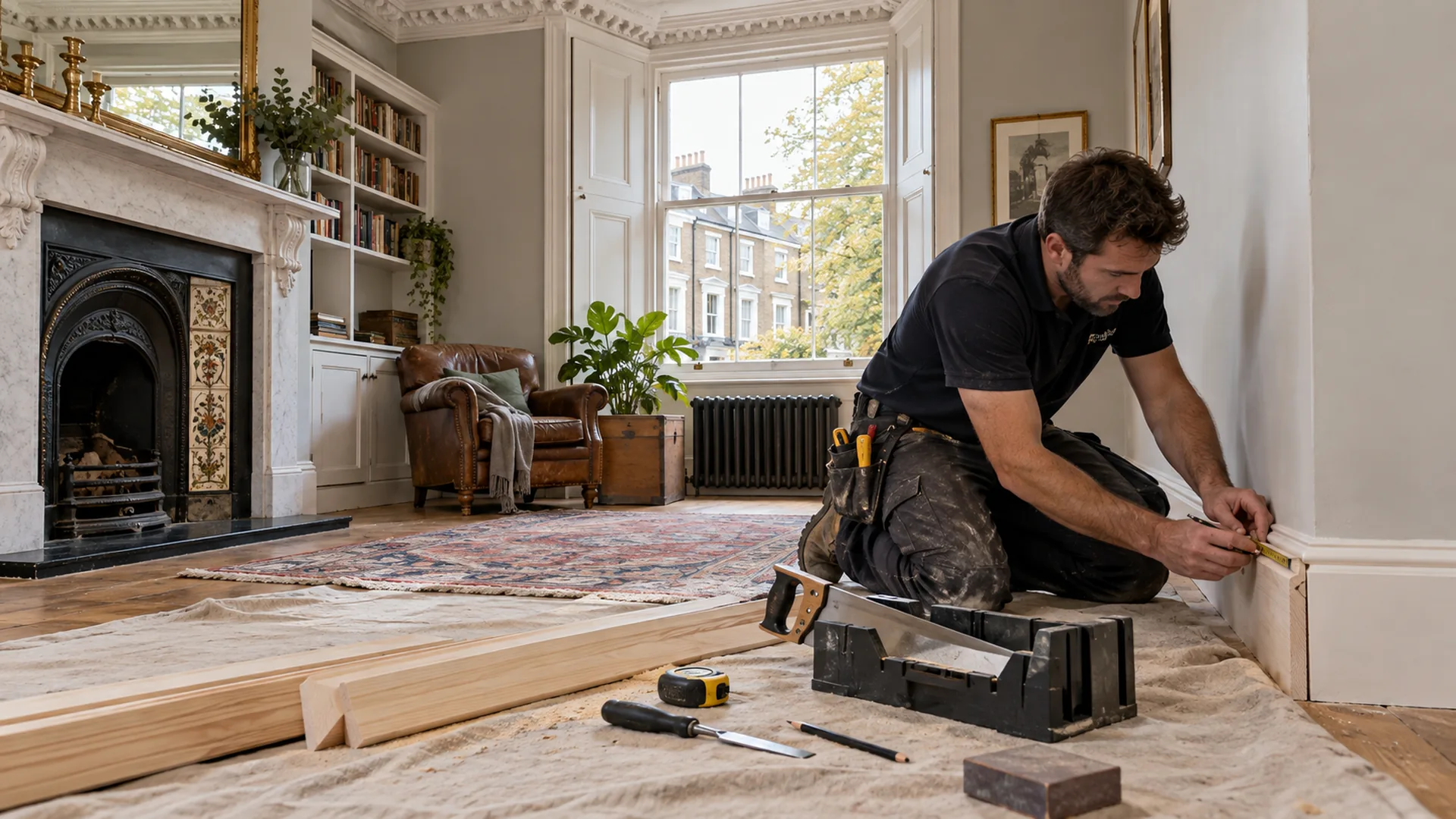
Joiner checking a timber profile and its fit

EXTENDING FURNITURE NEEDS ITS OWN PARTS

Keep the leaves, fittings and instructions as one set

An extension leaf that looks similar may not belong to the table. Note identifying labels, edge profiles and the number of original leaves. Store them according to the manufacturer’s guidance so they are not damaged while waiting to be used. Bring the full set into the enquiry rather than asking for a mechanism to be changed around an uncertain spare.

If the table has previously been dismantled for a move, explain what was taken apart and which fittings were replaced. Mixed bolts can have different lengths or shoulder details. Do not tighten every accessible fixing in an attempt to stop movement; the correct method depends on the construction and condition. Keep any original components that are already loose in a labelled container.

For a proposed repair, agree what success means. It may be restoring ordinary operation, replacing a compatible fitting or referring a damaged joint to another specialist. A colour match, polish or cosmetic scratch repair should be discussed separately. Do not allow an attractive finish to distract from an item that remains unstable.

After the work, retain the relevant instructions and note any limits on use. Operate an extending section only in the intended way and with the required help. The final check should not involve standing on, overloading or otherwise stressing domestic furniture beyond normal use.

EAST WICKHAM PRACTICAL QUESTIONS

Furniture questions for an East Wickham visit

A few details about the construction often determine the sensible next step.

Can every wobbly dining chair be tightened?

No. Some movement comes from damaged joints or material rather than an adjustable fastener. Stop using an unstable chair and explain where it moves. The appropriate repair may require a specialist or replacement.

Should I glue a loose part before the appointment?

Do not make an unconfirmed repair first. Adhesive choice, preparation and the joint design matter, and an unsuitable product can complicate a later repair. Keep a detached piece safely with the furniture.

Can a missing table bolt be replaced with the nearest size?

Compatibility includes thread, length and function. Supply the instructions or manufacturer reference where possible. A near match can damage the connection or fail to secure the assembly correctly.

The extension leaf sits high. Does the table need sanding?

Not as an initial assumption. Confirm that the leaf belongs to the table and that the mechanism is operating as designed. Removing material can create a permanent mismatch without resolving the underlying issue.

Can a valuable old table be included with ordinary odd jobs?

Declare its age, value and repair history at the outset. Conservation or specialist restoration may be more appropriate than a general repair. No method should be chosen merely to fit it into another appointment.

Will repairing the table stop marks on the wall behind it?

Only if the cause of contact is addressed. The extended layout, chair movement and any suitable protection need consideration. Wall finishing is a separate task after that decision.

NEARBY COVERAGE

Handyman areas near East Wickham

Other nearby household repair pages are available for these areas.

EAST WICKHAM FURNITURE ENQUIRIES

Tell Bob’s what happens during normal use

Identify the piece, its moving or damaged part and the original information you still have. A defined request makes it easier to judge a useful repair without promising that every piece can be restored.

Call 020 3137 9380Get a quote