
Decoration is more than applying colour
Successful decorating depends on the substrate.
INTERIOR DECORATION · PREPARATION & FINISHING
A convincing decorative finish begins long before the final coat. Bob's Handyman plans preparation, protection and application around the condition and everyday use of the room.
WHAT WE CAN HELP WITH
The scope is reviewed around the property, existing condition and the result you need.
Successful decorating depends on the substrate.
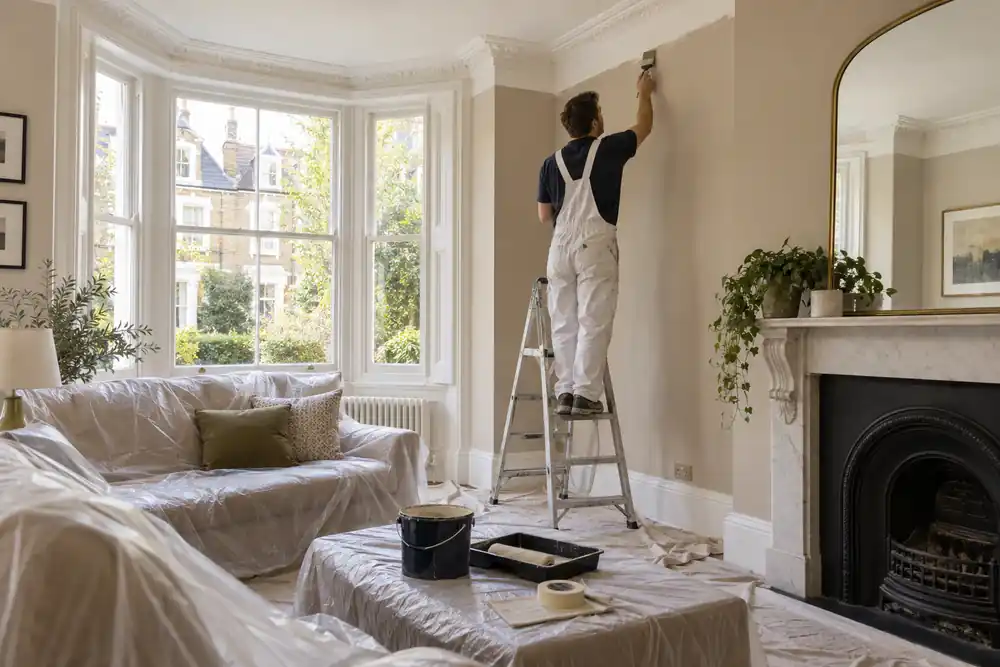
Furniture, flooring, switches and fixed fittings need planned protection, particularly in compact rooms and shared access areas.
Colour is only one decision.
PAINTERS AND DECORATORS LONDON
Successful decorating depends on the substrate. Cracks, old filler, flaking coatings, stains, glossy trim and poorly bonded wallpaper all influence the preparation needed. An initial assessment should distinguish cosmetic marks from damp, leaks or movement that must be resolved first. Covering an active defect with paint rarely lasts. The agreed scope can then state which walls, ceilings, doors, skirtings or built-in elements are included and what level of making good is realistic.
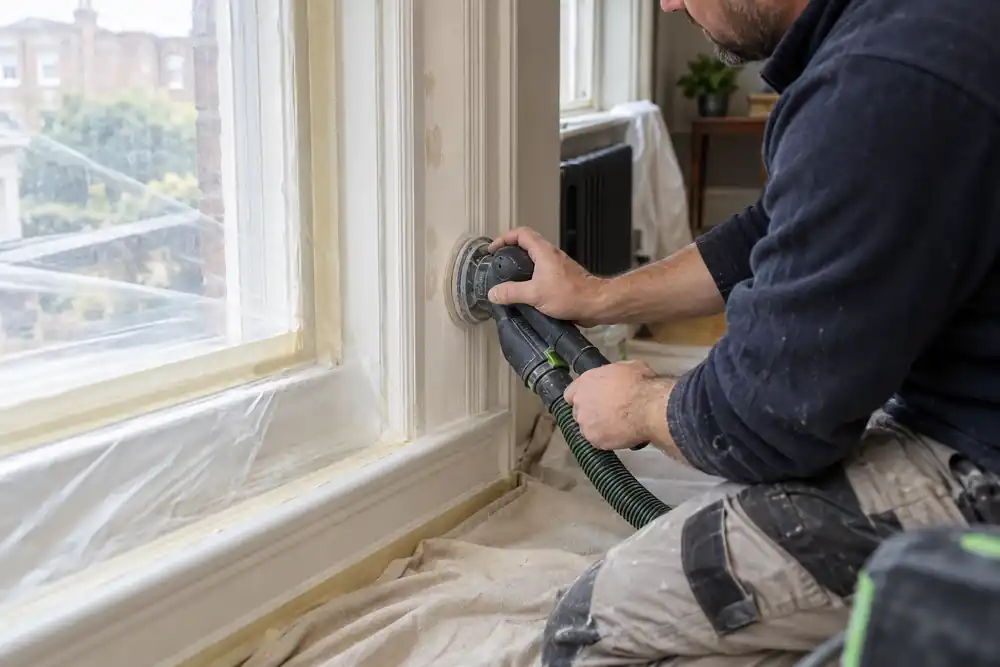
Furniture, flooring, switches and fixed fittings need planned protection, particularly in compact rooms and shared access areas. Discuss whether the room can be cleared, where materials may be stored and how occupants will use the property while work progresses. Surfaces may require cleaning, scraping, sanding, filling, caulking, spot priming or a full primer coat. Preparation varies by surface and existing coating; it should not be reduced to a generic line in the quotation.
Colour is only one decision. Sheen, durability, washability and compatibility with the existing surface matter too. Kitchens, hallways, bedrooms and timber trim have different demands. Samples should be viewed in the actual room and at different times of day because London daylight, artificial lighting and adjacent colours can alter their appearance. Confirm whether paint is supplied by the client or included, record the product and colour reference, and decide where colour transitions will fall.
CAREFUL PROPERTY WORK
Decorating is usually organised from preparation through ceilings, walls and woodwork, with appropriate drying time between coats. The exact order can change with the room and products. Edges, corners, repaired areas and high-touch details receive a final check in consistent light. Tape and protection should be removed carefully, hardware refitted and the room left ready for normal use once coatings have cured as directed. For a wall-only refresh, the dedicated wall-painting service offers a narrower scope; broader decorating covers the coordinated room finish.
Wallpaper removal can expose weak plaster, old adhesive and previous repairs, so the finish beneath cannot be predicted from the visible surface. If wallpapering is proposed, pattern repeat, roll batch, trimming and substrate preparation affect the material allowance. Confirm whether removal, lining paper or wall repair is included; these stages should not be hidden inside a simple painting description.
A professional-looking room needs deliberate junctions at cornices, architraves, fitted cabinets and open-plan boundaries. Decide whether radiators, pipes, shelving and sockets remain in place and how edges behind them will be treated. Existing period details deserve careful masking and preparation. Recording those decisions avoids different expectations about what a “complete room” means.
A CLEAR PROCESS
Send the London postcode, photographs, measurements and the result you want.
The requirements, access, materials and appropriate trade are reviewed before work begins.
The planned work is carried out carefully, with any material change explained clearly.
PAINTERS AND DECORATORS FAQ
Useful answers for planning the work.
It depends on condition, but may include cleaning, scraping loose material, sanding, filling, caulking and priming. The quotation should state the agreed preparation rather than assume every defect is included.
Often, yes. Access, furniture movement, ventilation, drying areas and daily reinstatement should be agreed so the work can be sequenced safely and practically.
Either arrangement can be discussed. Product, finish, colour code and quantities should be confirmed before work starts to prevent mismatched batches or unsuitable coatings.
The cause must be addressed first. Once the area is dry and stable, suitable preparation and stain treatment can be considered; painting over an active issue is not a repair.
This page covers coordinated decoration such as ceilings, trim, preparation and room finishing. Wall painting is the more focused option when the main requirement is the wall surface itself.
YOUR NEXT STEP
Share room photographs, measurements and the finish you want for a clear decorating scope.