
Symptom card
State when the problem occurs, what moves and which normal action reproduces it.
PARTS RECORDS · OPERATION TESTS · PRACTICAL HANDOVERS
Colney Hatch homes can accumulate unmatched screws, spare hinges and half-identified fittings. A component library turns that drawer of unknown parts into evidence for measured repairs without encouraging unsuitable reuse.
ADDRESS CONTEXT, REAL HOME
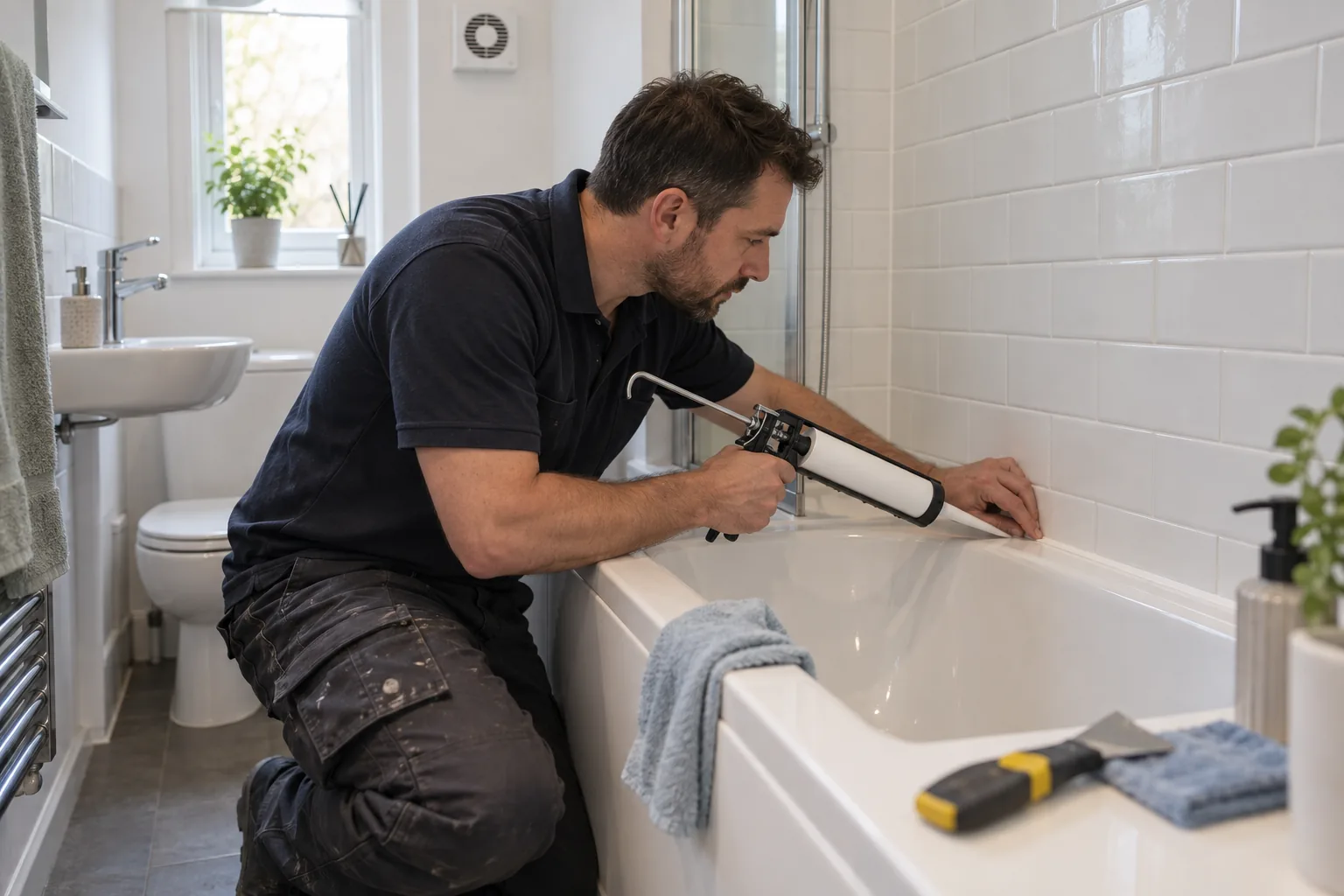
Barnet publishes a Local Plan and conservation information for address-specific planning checks. Those sources do not identify the hardware in one Colney Hatch home. Start with the item in use: photograph its whole location, the symptom, the fixing pattern and any maker mark. Measure centres, projection and material thickness. Keep removed authorised hardware in a labelled bag until the replacement is tested. Fixed electrical, gas, structural and security-system faults remain with the appropriate specialist.
PREPARE THE USEFUL DETAIL
A useful brief connects operation, dimensions, authority and handover.
State when the problem occurs, what moves and which normal action reproduces it.
Photograph front, back, edge, screw pattern and any stamp beside a ruler.
Store removed pieces under the room and item code, not in a general mixed tin.
Write the movement, load or alignment that will confirm a successful result.
LABOUR-RATE ESTIMATE
Choose task count and duration using Bob’s published weekday rates. Materials, parking, permissions and specialist work are outside the automatic estimate.
MAKE THE METHOD TESTABLE
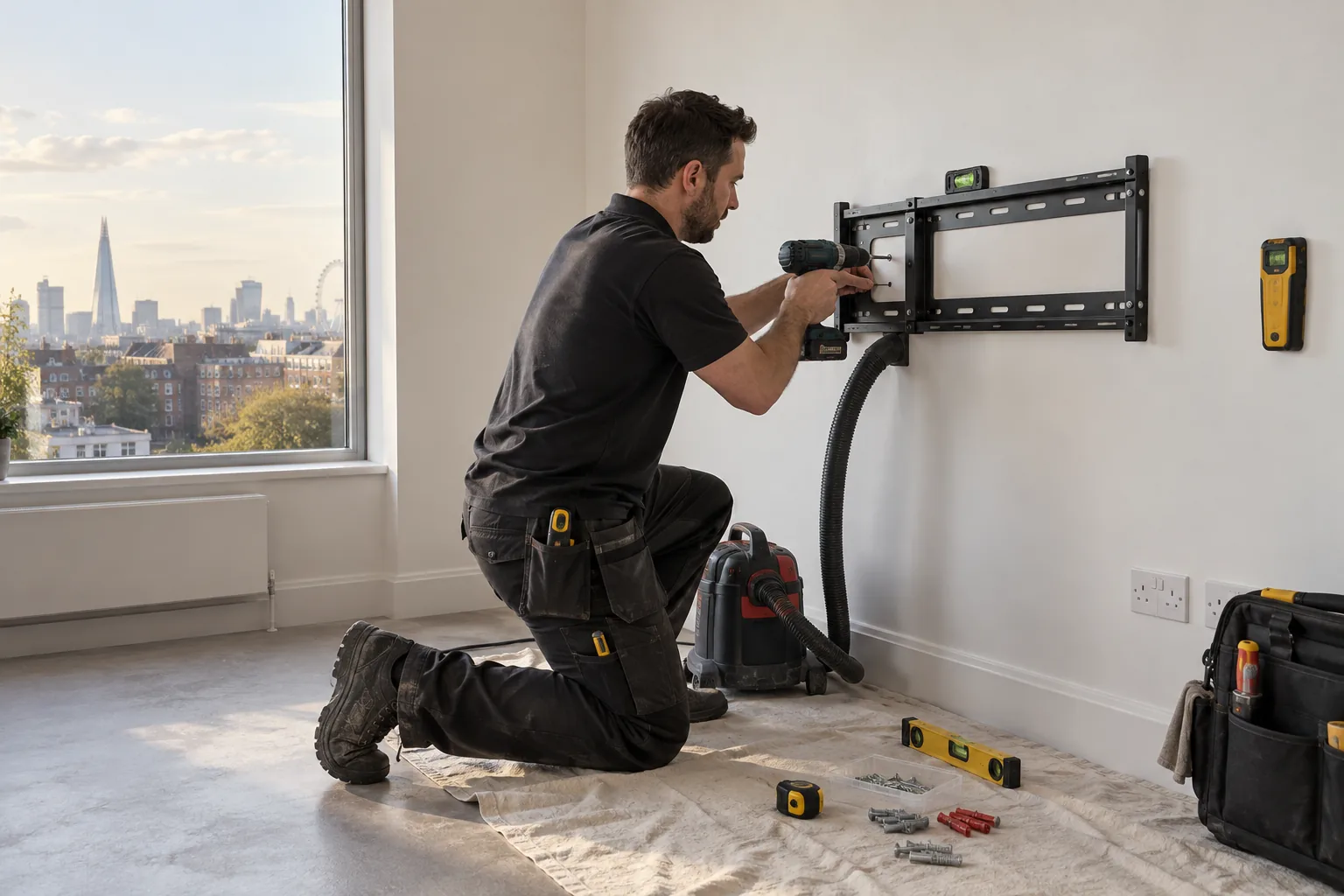
Create a parts board using resealable bags fixed to a card. Each bag carries the item code, date, orientation and whether the component is retained, replaced or unidentified. Add a photograph showing where it came from. Do not assume two similar screws are interchangeable: length, thread, head and material can matter. A supplier can review the record without taking the entire fitting away, and the handyman can return each authorised piece to the correct location instead of testing random hardware in finished material.
A BOUNDED SEQUENCE
Observe the fault under a normal safe action.
Measure and photograph the component before removal.
Check replacement dimensions, operation and product guidance.
Keep samples and test records until acceptance.
WHY THE PREPARATION MATTERS
Every component remains tied to a room and function.
Appearance alone does not decide compatibility.
Acceptance is based on normal operation, not novelty.
TEST THE ROUTINE
Use a no-mystery rule for spare parts. If a component cannot be linked to a product, room or instruction, quarantine it rather than forcing it into a repair. Photograph the unidentified item with scale and record where it was found. After six months, review the quarantine with the household before disposal. This prevents an attractive brass screw or unusual bracket being used merely because it is available, while preserving potentially important proprietary pieces long enough to identify them.
LEAVE A USEFUL RECORD
For cabinet fronts, number positions clockwise and keep each hinge with its own door. Photograph the gap pattern before adjustment, then change one variable at a time. Test neighbouring fronts together and under normal contents. If board is swollen or the fixing has failed in damaged material, stop treating alignment as a simple screw setting. The condition record should travel with any later repair or replacement decision.
ONE FINAL PRACTICAL CHECK
Make a small gauge card containing frequently needed measurements: screw-centre distance, spindle size, plate width and projection. Write units clearly and include one scale photograph. Store the gauge with the parts board, not on a phone that another household member cannot access. A future order can be checked against the same datum, reducing repeated dismantling of a working but worn item.
COLNEY HATCH QUESTIONS
Photograph it beside a scale, record the place and product it may relate to, then quarantine it in a dated bag. Do not test it in finished material merely because it appears to fit.
No. Retain authorised samples until the replacement fit and finish are accepted.
No. Geometry, compatibility, substrate and product instructions matter; “stronger” does not prove suitability.
Note the exact action, load, temperature or position that reproduces it and take a short record where safe.
Photograph them, but fixed electrical diagnosis or replacement needs the appropriate qualified route.
Keep retained samples, spare manufacturer parts, adjustment tools, product details and the operation test.
NEARBY COVERAGE
See nearby handyman coverage in Friern Barnet.
Review household maintenance in Arnos Grove.
Plan property repairs around Muswell Hill.
PREPARE THE COLNEY HATCH BRIEF
Send the address check, symptom cards, hardware portraits and labelled parts schedule. Barnet’s planning information supplies local context, while the repair depends on the actual component. Bob’s can review authorised internal adjustments and replacements, keeping fixed electrical, gas, structural and specialist security matters outside the practical list.