
Loose hardware or damaged support
A moving handle can be simple; crushed board, cracked plaster or a distorted frame changes the remedy. Photograph the support around every fixing.
INSPECTION NOTES · DEFINED REMEDIES
A survey note or household inspection can produce a mixed list of symptoms without explaining the remedy. Bob’s helps separate observable minor maintenance from items that need a roofer, electrician, plumber, joiner or structural professional before finishes are disturbed.
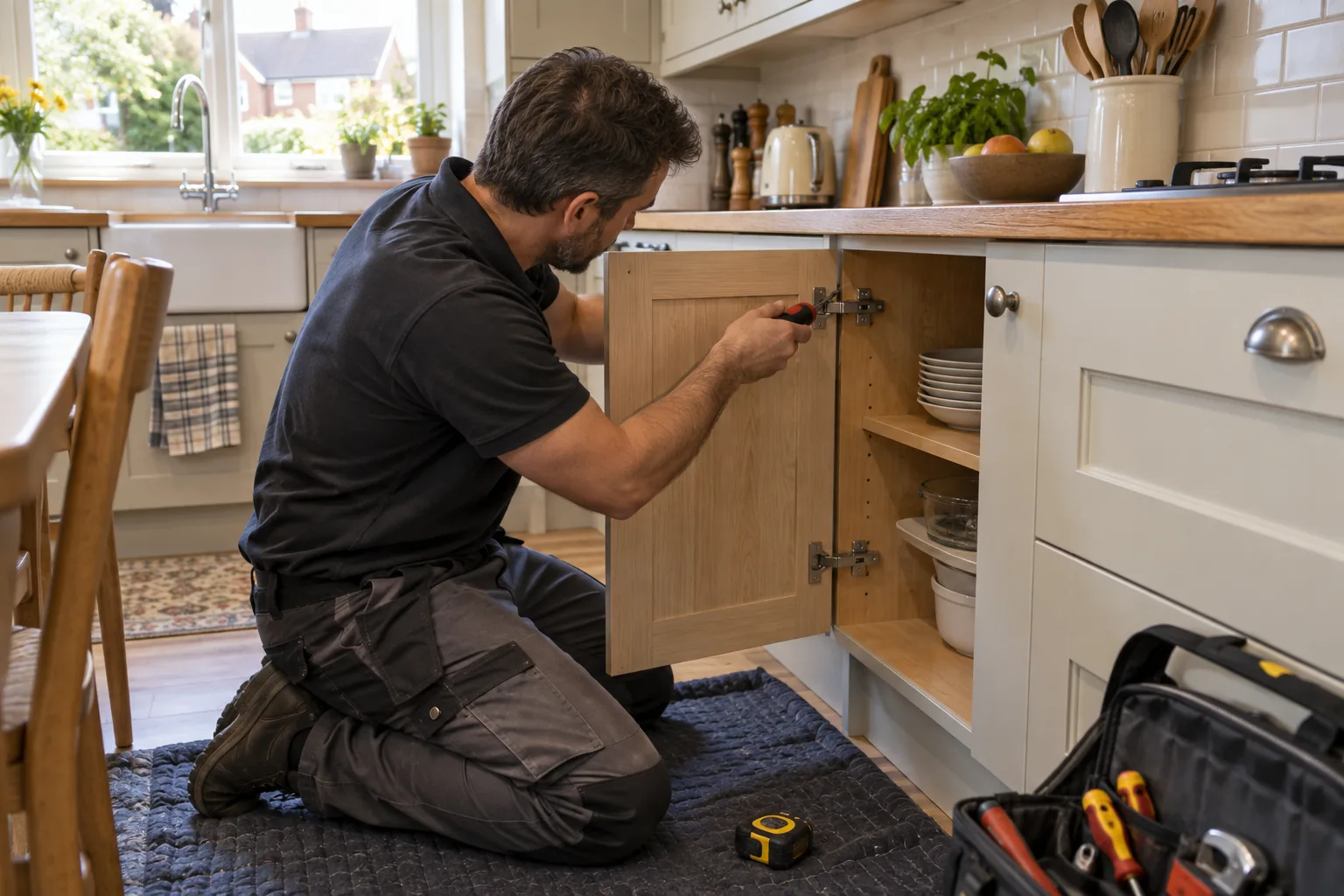
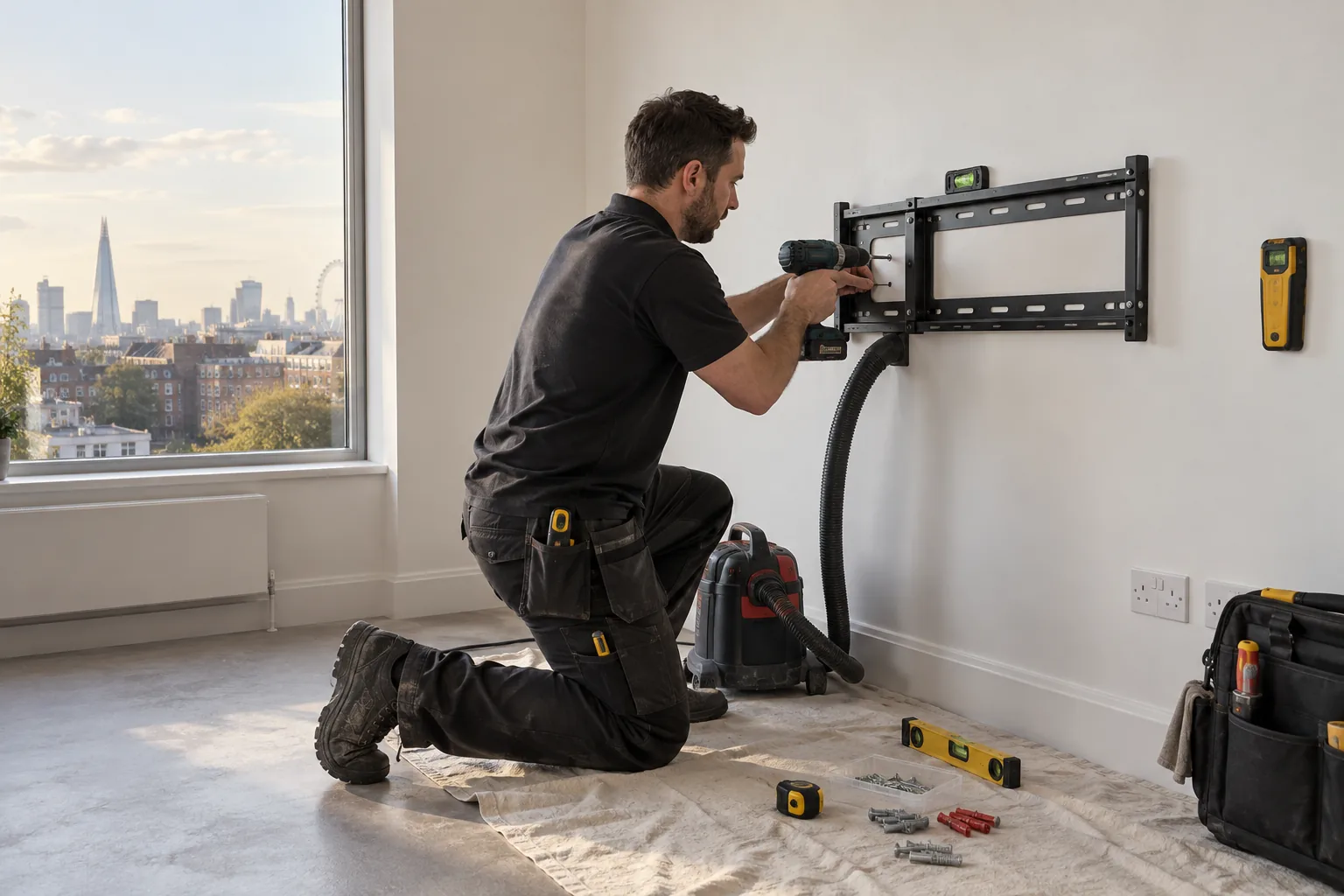
WALK THE ROUTE WITH BOTH HANDS FULL
Open the front door, cupboards and every door crossing the route. Carry a shopping bag or laundry basket and note where handles, hooks or furniture catch clothing and shoulders. Check that a mobility aid, pushchair or vacuum can turn without striking a loose corner. Mark these conflicts on a simple plan rather than solving each item in isolation.
After repairs, repeat the same walk. A newly fitted coat rail must not narrow the passage; a door stop should protect the wall without creating a trip; furniture restraints should work without blocking sockets. This rehearsal turns a collection of small jobs into a measurable improvement in daily use.
DIFFERENT STREETS, DIFFERENT HOUSEHOLD ROUTES
Barnet Council identifies defined conservation areas such as Wood Street and Monken Hadley, and some areas have Article 4 directions. Any external change or work touching significant fabric needs an address-specific check. That planning context is separate from the practical question inside: can residents move between entrance, kitchen, bathroom and stairs without loose support or avoidable obstruction?
Draw those frequent routes and rank defects by consequence. A failed handrail bracket deserves attention before a decorative picture; an internal fire door or communal entrance is reported through its controlled route, not folded into ordinary joinery. Bob’s can address suitable household hardware, furniture and storage once responsibility and supporting material are clear.
TRANSLATE THE INSPECTION
Copy the original wording, then add location, scale and current evidence without claiming a cause that has not been established.
A moving handle can be simple; crushed board, cracked plaster or a distorted frame changes the remedy. Photograph the support around every fixing.
Record edges, colour change and dates. Do not fill or repaint until a leak, condensation source or drying requirement has been dealt with appropriately.
Add scale and a full-wall view. Repeated or branching cracks, displaced joinery and sloping change need professional diagnosis rather than routine making good.
Ordinary cabinet hardware differs from fire doors, fixed electrics, gas equipment and communal systems. The latter require their recognised inspection route.
OBSERVATION TO CLOSE-OUT
Give room, element, dimensions and a wide photograph with the note copied exactly.
Identify assumptions, permissions and any diagnostic work that remains outstanding.
Assign suitable minor work or refer the item to the qualified discipline it requires.
Retain dated photographs, product references and any limitation still being monitored.
LABOUR ESTIMATE
The calculator applies Bob’s published weekday labour rates to the chosen duration. It excludes materials, permissions, parking, specialist restoration and work whose method depends on further investigation.
A SMALL RECORD HAS VALUE
Photographs distinguish original material from later filler, linings and replacements when another task is planned.
Labelled catches, screws and handles can guide repair or matching even when they are not immediately refitted.
The handover states what was routine maintenance and what was left for planning, conservation or specialist advice.
NEARBY COVERAGE
Prepared repair visits around Arkley.
Property-maintenance planning east of the town centre.
See Bob’s wider North London coverage.
BARNET INSPECTION-LIST FAQ
Usually more context is needed. Provide the complete note, room, scale and photographs so the observation can become a defined task or referral.
It depends on the stable background and agreed finish boundary. It should not conceal active damp, movement, unsafe wiring or another unresolved cause.
Include a ruler, the entire wall and junctions with openings. Add dated images if change over time is relevant; do not claim structural significance without assessment.
Use the building’s competent fire-door inspection and repair process. A controlled asset should not be placed inside a general carpentry list.
It can show labour for a defined inspection or repair period, but it cannot invent the specialist finding, materials or additional scope.
Keep the original note, agreed remedy, dated completion photograph, product reference and any stated limitation or monitoring advice.
PREPARE THE BARNET DETAIL
Send a room view, close photographs, property status and any matching example. Bob’s can then define careful handyman work without blurring the conservation boundary.
WRITE A PRACTICAL HANDOVER
A useful handover avoids a vague statement that the odd jobs are finished. Record that the entrance door opens without striking the wall, the stair rail is secure at each bracket, or the cabinet no longer rocks under normal use. List any item removed from service, the reason, and the person who should assess it next. For households sharing care responsibilities, place this note somewhere visible rather than relying on one resident to remember a spoken warning. The same record can identify curing periods and safe loads before children, visitors or cleaning equipment return to the route.
KEEP AN ACTION REGISTER
A mixed inspection list becomes manageable when responsibility is explicit and unresolved observations are not mistaken for completed repairs.
The symptom has been recorded but cause or responsible discipline is still unknown. Preserve evidence and avoid decorative closure.
Name the owner, handyman task or specialist referral, plus any access, consent or product information needed before attendance.
Attach the dated completion view and state what was tested, what product was used and what remains outside the remedy.