
Keep
Identify the useful furniture and fittings that remain. Include occasional uses such as guests or shared dining, not only the activity expected to occupy most of the week.
HATCH END · ADAPT THE ROOM YOU ALREADY HAVE
A dining room becoming a study or a bedroom taking on another purpose can need a handful of practical changes rather than a building project. Bob’s reviews furniture, fittings and finishing work in Hatch End, starting with how the room will actually be used.
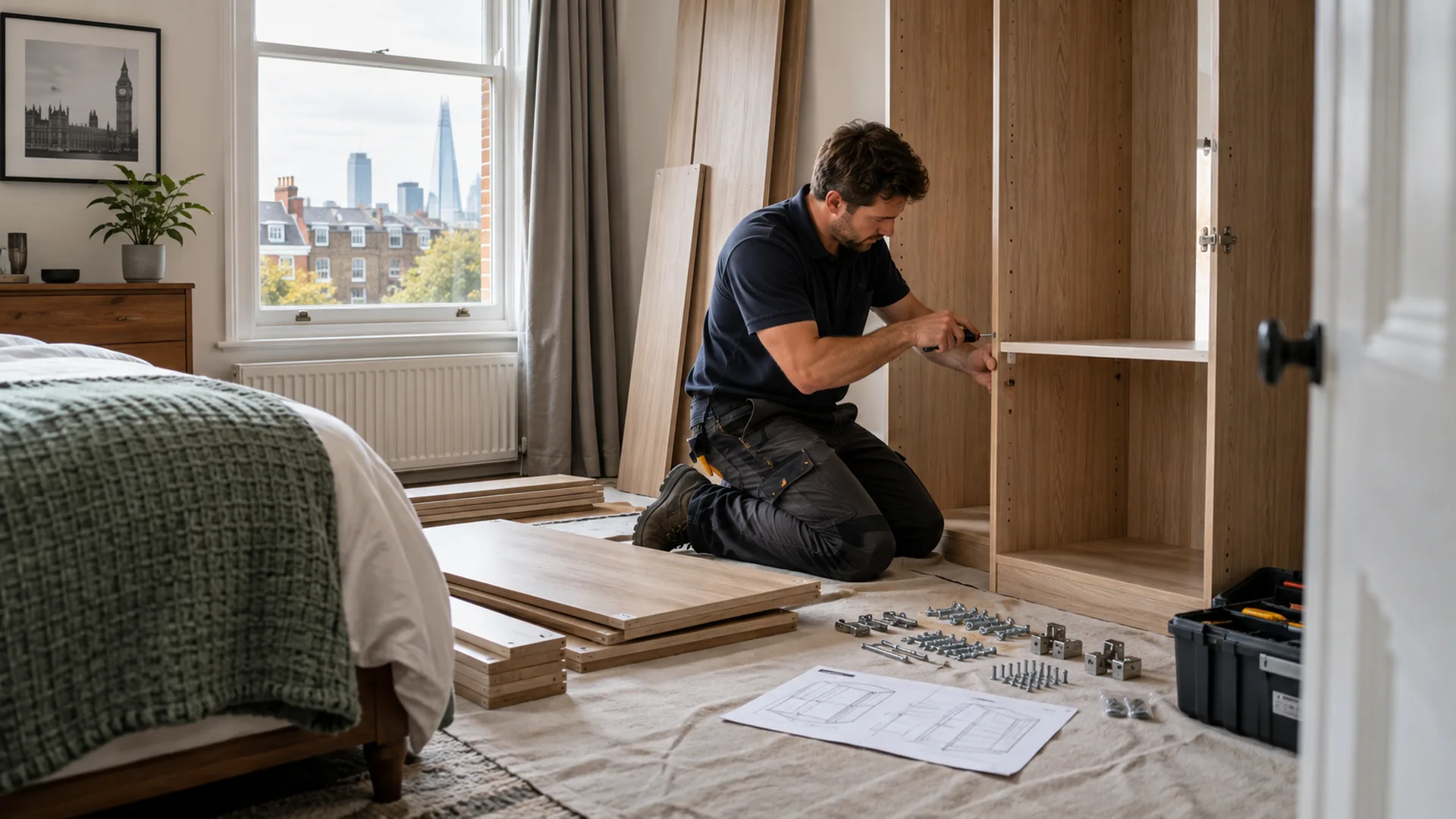
Harrow Council’s character study records Victorian semi-detached development among Hatch End’s earlier residential buildings. A home may contain rooms arranged for an earlier household pattern, with later furniture and fittings layered into them. The relevant handyman question is which modest changes would make the present room useful, not how to make every surface look newly built.
A room used for occasional dining might now need a work table, accessible storage and a different position for pictures. Another household may be restoring a study to a bedroom. List what stays and what changes before choosing new fittings. A sound existing cupboard or shelf should not be removed simply because the room has acquired a new name.
Bob’s can review assembly, ordinary joinery and suitable mounting or finishing tasks. A new electrical supply, structural opening or alteration to protected fabric is a separate proposition. Keeping that boundary clear allows modest useful work to be considered without presenting a furniture rearrangement as a conversion project. The room’s actual dimensions and construction still govern what can sensibly be installed.

The new purpose of a room is best described through ordinary use. A study needs room to pull out a chair, reach stored papers and use equipment without blocking a door. A bedroom needs usable furniture rather than simply enough floor space for its outline. Discuss these movements before a wall fitting makes the arrangement harder to change.
Avoid treating a temporary layout as a permanent instruction. You can indicate a preferred position while acknowledging that the item, wall or surrounding fittings may require a different solution. If a desk depends on new sockets or equipment wiring, resolve that separately rather than stretching leads across a route as part of the furniture plan.
Think about the old purpose as well. A room may still need to accommodate a dining table occasionally or retain a guest bed. Explain that shared use so permanent fittings do not frustrate it. The aim is not to fit the maximum number of objects into the space; it is to make the agreed activities practical. Bob’s can then review the ordinary repair and installation work supporting that arrangement, with decoration and any specialist additions clearly identified.
Select furniture for an assembly task and mounting for a planned fixed accessory. Add painting only if finishing is genuinely required. A room changing its name does not mean every available planner category needs work.
Identify the useful furniture and fittings that remain. Include occasional uses such as guests or shared dining, not only the activity expected to occupy most of the week.
Agree where the main items will sit and how they will be used. Consider ordinary movement rather than just measuring whether their outlines fit along a wall.
Review the accessories that genuinely need a permanent position. Keep electrical, structural or protected-fabric questions separate from the ordinary assembly and fitting request.
Decide which exposed marks and surfaces are included. Confirm if the agreed work ends with a repair ready for decoration or a completed decorative finish.
Often the request concerns furniture, fittings and a limited amount of making-good. Describe the new use and the actual work required. Larger electrical, structural or building alterations should be assessed separately rather than included by implication.
No. Decide which remain useful before removal. A retained cupboard or shelf may serve the new arrangement, while removing it can introduce repair work that was unnecessary for the room’s intended use.
Explain both uses in the enquiry. Permanent furniture or mounting positions should not make the occasional function impractical. The layout needs to be understood before installation, especially where items are moved regularly.
That is an electrical requirement, not simply a furniture assembly detail. Arrange the appropriate assessment and keep it visible in the plan. Do not assume a handyman fitting task includes alterations to the electrical installation.
It depends on the existing surface and the finish expected. Colour, sheen and ageing can differ behind furniture. Discuss the visible area and acceptable result before treating a small patch as a complete decorative solution.
No. An initial list can distinguish products already selected from positions or fittings still undecided. Avoid buying something that depends on an unconfirmed wall construction, clearance or installation arrangement.
Other local household projects may be better matched to these area pages.
Several-room household maintenance enquiries.
Ordinary repairs alongside retained room details.
Tell us what the Hatch End room needs to accommodate, which existing items stay and which practical changes you want reviewed. Keep the request focused on useful work rather than an assumed complete refit.