FULWELL · FINISH USEFUL JOBS WITHOUT EMPTYING THE HOUSE

Handyman Work That Fits Around Fulwell Households

A home does not stop being lived in because several repairs are due. Bob’s can review Fulwell door adjustments, household fittings, assembly and small finishing jobs with the household’s routine in mind. Explain which rooms must remain available so the visit can be discussed realistically.

  • Essential rooms identified before the work is grouped
  • Small repairs separated from drying-time work
  • Furniture assembly kept clear of daily routes
  • A clear handover for completed and deferred items
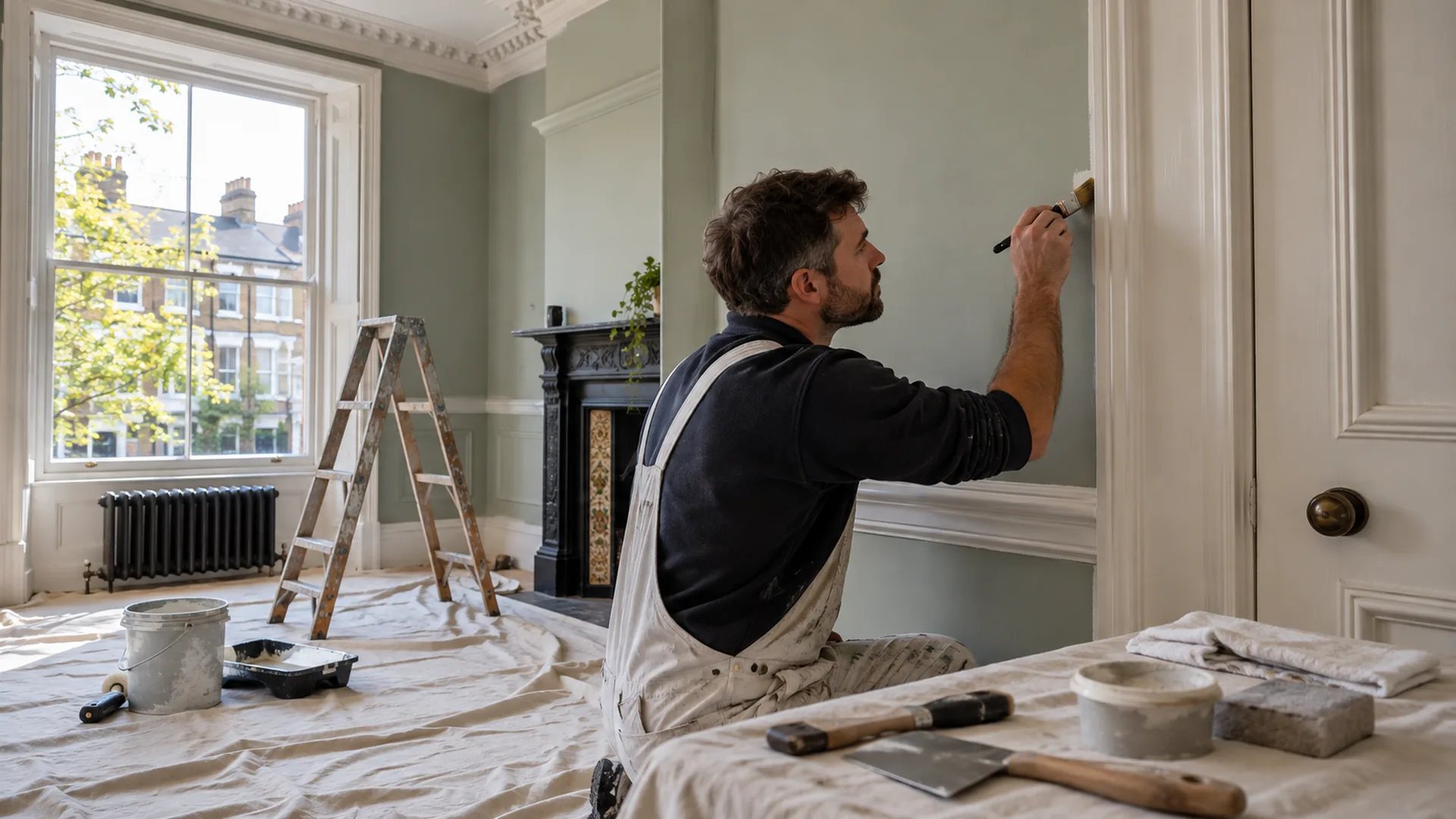
Handyman preparing an interior surface for decorating

Plan around the rooms people still need to use

Richmond’s Urban Design Study describes Fulwell and West Twickenham residential areas as a mix of semi-detached and terraced houses, generally two or three storeys. In an occupied house, a repair list can span floors even when the individual jobs are small. The useful question is how the work fits the household, not simply how many items appear on a list.

A bedroom cupboard repair might be available only after its contents have moved. Furniture assembly in the living room may compete with the space needed to prepare a painted surface. An ordinary internal door adjustment could be disruptive if it is the only route to a room someone needs throughout the day. Explain those dependencies rather than assuming every room is equally available.

Bob’s can review the practical combination and identify work that should remain separate. This is particularly useful when a list mixes immediate fitting repairs with decoration or products that need time before use. A household can tolerate some unfinished work if it knows what remains safe and accessible. Uncertainty about which room can be used is often the more avoidable inconvenience.

Discuss your property requirementsCall 020 3137 9380

Agree the order before moving everything

01

Availability

Identify the times and rooms available for work. Mention a room needed for working, sleeping or ordinary household use rather than assuming the appointment can take over every space.

02

Belongings

Agree what must move for each job and where it will wait. Keep frequently needed household items identifiable instead of emptying several rooms into one shared pile.

03

Interruption

Discuss preparation, the working area and any period when an item cannot be used. Product requirements and safe access take priority over a convenient but unrealistic finish time.

04

Room handover

Try completed fittings before belongings obscure them. Explain any change to household members who were absent and distinguish repairs finished from items deliberately deferred.

Prioritise the repairs around daily use

Select the rooms, concerns and urgency that apply. The planner creates a job checklist with relevant service routes; it does not book a visit or determine drying times. Use the result to explain which tasks the household needs first, without entering personal details.

1Property type
2Area of property
3What needs attention
4Urgency
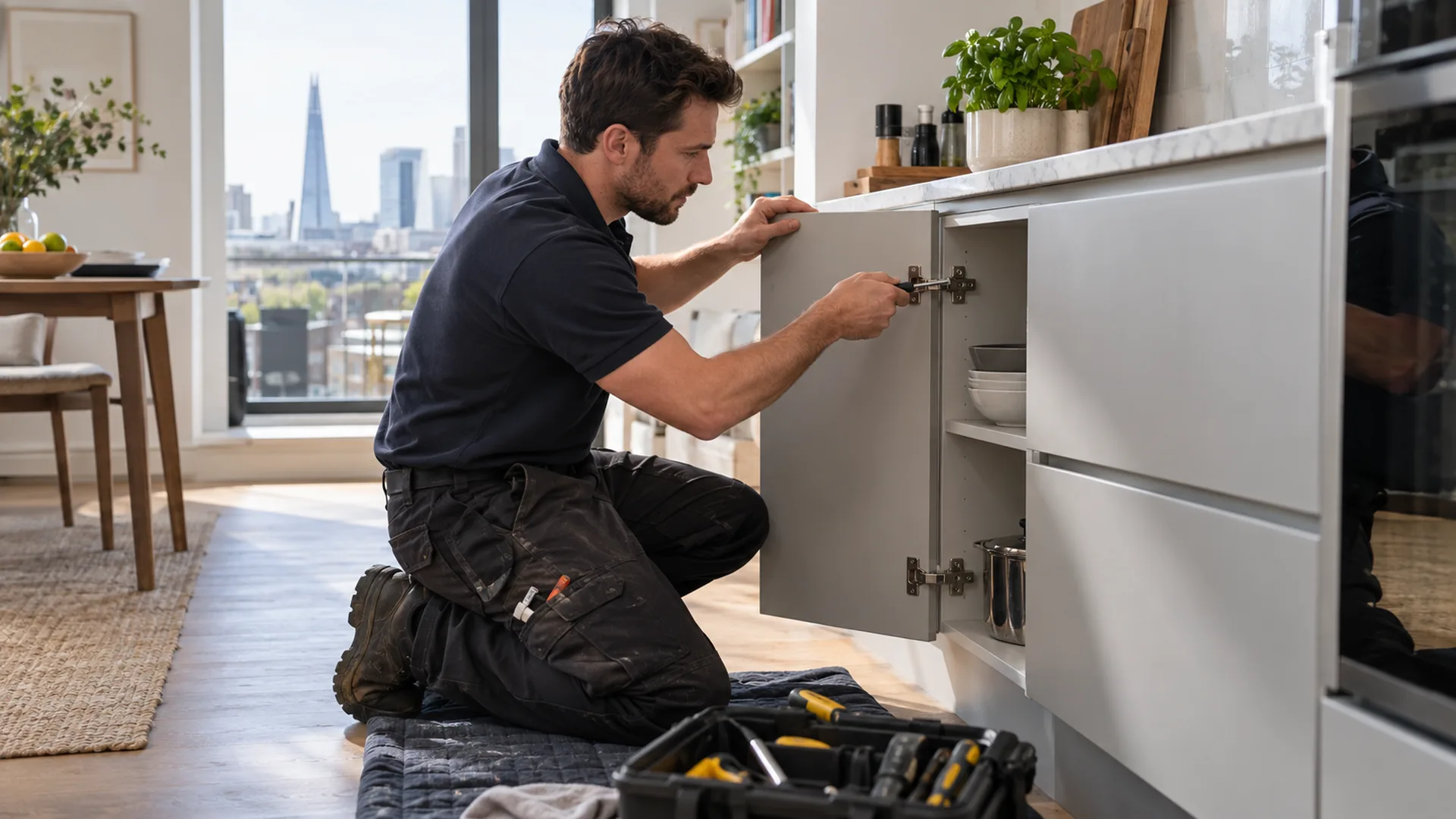
Professional working on kitchen cabinet fittings

Give each room a clear preparation and return plan

An occupied-house visit can involve more than one person preparing the rooms. Agree which belongings are being moved, where they will be stored and who will put them back. A household member who cannot find an essential item after the repair may have gained a working cupboard but lost the practical benefit of an organised visit.

Preparation should be specific to the task. A furniture assembly may require floor space, while a door fitting needs the operating area clear rather than every shelf emptied. Avoid moving unrelated belongings simply because work is planned somewhere in the room. Discuss heavy or awkward items instead of assuming that someone at home will be able to shift them before arrival.

At the end, separate completed repairs from belongings still awaiting return. Check the cupboard or door while it is accessible, then restore the room without concealing an unresolved issue. If another household member was absent, leave a simple account of what changed and any relevant restriction. This practical handover need not be elaborate; it should prevent a finished repair becoming confusing when the family resumes its usual routine.

Fulwell questions about repairs in a lived-in home

Must I leave the house during a handyman appointment?

That depends on the work and working space, not simply the number of jobs. Explain how the rooms are used and who will be present. Agree a suitable separation from tools and materials, and any task-specific restrictions.

Can the hallway remain open while furniture is assembled upstairs?

The carrying and assembly arrangements need review. Do not use the hallway as packaging storage if it blocks a necessary route. Explain the available space so the work can be planned without assuming a route will remain clear automatically.

Should every room be cleared before a multi-room visit?

Not automatically. Each task needs an appropriate working area, and unnecessary clearing can create clutter in the next room. Agree the affected spaces and preparation first. Mention heavy items that household members cannot safely move themselves.

Can the bedroom work wait until the kitchen repairs are finished?

State that preference with the enquiry. The practical order may also depend on materials, access and whether one task affects another. Priorities are useful, but should be agreed against the actual work rather than promised from a room list alone.

What should I do with furniture that is being replaced?

Agree who will move it and where it will go before the new assembly starts. Removal or disposal should not be assumed to be included. Avoid leaving both old and new pieces blocking the working room.

How should I explain the completed work to someone who was out?

Keep a short account of the items completed, those deferred and any use restriction. Show the repaired fitting in ordinary operation where appropriate. Another household member should not have to guess why furniture has moved or whether a task remains unfinished.

Handyman areas near Fulwell

Other nearby household repair enquiries can be prepared using these local pages.

Give the repair list a workable place in the week

Tell Bob’s which Fulwell jobs are essential, which rooms remain occupied and what can be prepared before the visit. A realistic sequence should leave the household knowing what will work again, what must wait and where the next stage belongs.

Call 020 3137 9380Get a quote